
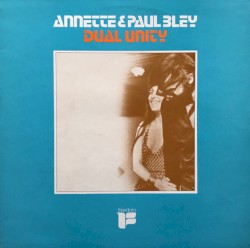
Dual Unity is an album by Paul Bley, released in 1972. A mesmerizing interplay of avant-garde textures and improvisational finesse that challenges traditional jazz boundaries. The album is notable for its innovative approach to improvisation and is often cited as a key work in the development of free jazz. Critics recognized its boldness within the genre, leading to broader recognition for Bley and influencing subsequent generations of jazz musicians. Here's what makes it worth your time and what to listen to next.
Frequently Asked Questions
What does Dual Unity sound like?
A mesmerizing interplay of avant-garde textures and improvisational finesse that challenges traditional jazz boundaries. Rooted in bebop.
What makes Dual Unity by Paul Bley notable?
The album is notable for its innovative approach to improvisation and is often cited as a key work in the development of free jazz. Critics recognized its boldness within the genre, leading to broader recognition for Bley and influencing subsequent generations of jazz musicians. When 'Dual Unity' was released in 1972, Paul Bley was already a prominent figure in the avant-garde jazz scene, having established himself with albums like 'Footloose' in 1970. This album marked a collaboration with influential musicians like Gary Peacock and Paul Motian, reflecting Bley's continued exploration of free jazz forms during a pivotal moment in his career.
How many songs are on Dual Unity?
Dual Unity has 4 tracks, running approximately 33 minutes.
Tracklist
Best experienced from track one — press play and let it unfold.
- 1 M.J. Standout 17:16
- 2 Gargantuan Encounter Standout 4:40
- 3 Richter Scale 8:10
- 4 Dual Unity Standout 3:15
Learn More


Sync your library
Everything you track here works immediately — no account needed. Create one when you want to sync across devices.