Listen
About
Discography






Albums ()
Fantastic Four
2015
Tara Hugo Sings Philip Glass
2012
Cassandra's Dream
2008
Neverwas
2008
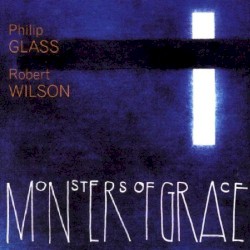
Monsters of Grace
2007
Notes on a Scandal
2006
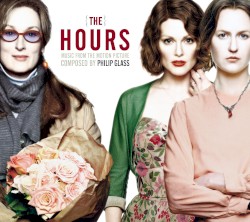
The Hours
2002
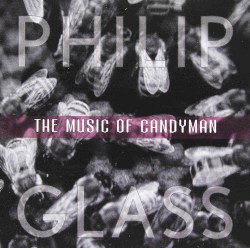
The Music of Candyman
2001
Dracula
1999
Aguas da Amazonia
1999
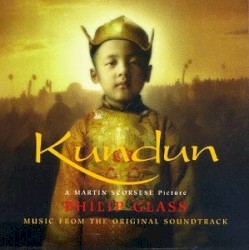
Kundun – Music from the Original Soundtrack
1997
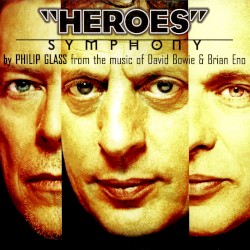
"Heroes" Symphony – From the Music of David Bowie & Brian Eno
1997
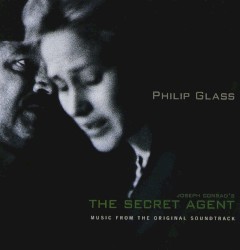
The Secret Agent – Music from the Original Soundtrack
1996
"Low" Symphony – From the Music of David Bowie & Brian Eno
1993
Solo Piano
1989
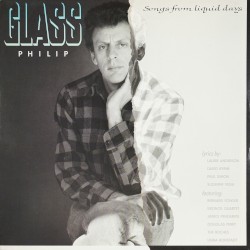
Songs from Liquid Days
1986
North Star
1977
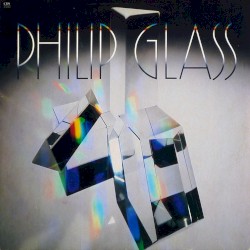
Glassworks
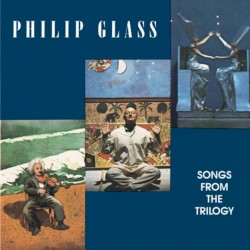
Songs from the Trilogy
No releases match the current filters.
Similar Artists
 Following
Leonard Bernstein
Shared genres: opera, symphony
 Following
Nico Muhly
Shared genres: minimalist music, opera
 Following
Glenn Branca
Shared genres: minimalist music, symphony
 Following
John Adams
Shared genres: minimalist music, opera
 Following
Hector Berlioz
Shared genres: opera, symphony
 Following
Dmitri Shostakovich
Shared genres: opera, symphony
 Following
Arvo Pärt
Shared genres: minimalist music, symphony
 Following
Jean Sibelius
Shared genres: opera, symphony
 Following
Wilhelm Peterson-Berger
Shared genres: opera, symphony
 Following
Erkki Melartin
Shared genres: opera, symphony
 Following
Alfred Schnittke
Shared genres: opera, symphony
 Following
César Franck
Shared genres: opera, symphony