
Listen
About
Discography
Albums ()

That's the Way I Like It: The Best of Dead or Alive
2010

Evolution: The Hits
2003

Unbreakable
2001
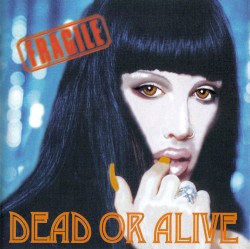
Fragile
2000
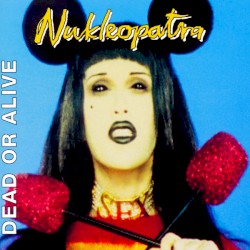
Nukleopatra
1995
Nude
1991

Fan the Flame (Part 1)
1990
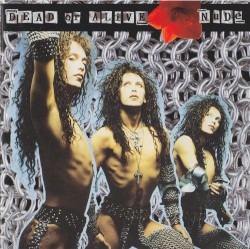
Nude
1989

Mad, Bad, and Dangerous to Know
1987

Rip It Up
1987
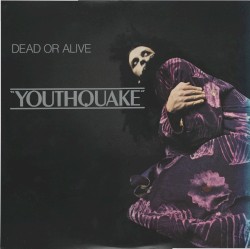
Youthquake
1985

Sophisticated Boom Boom
1984
Fan the Flame (Part 2): The Resurrection
Singles ()
Hit and Run Lover
2000

Sex Drive
1997

Come Home with Me Baby
1989
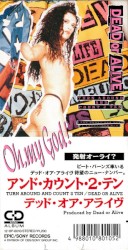
Turn Around & Count 2 Ten
1988
Something in My House
1987

Brand New Lover
1986
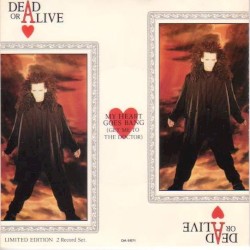
My Heart Goes Bang (Get Me to the Doctor)
1985

In Too Deep
1985
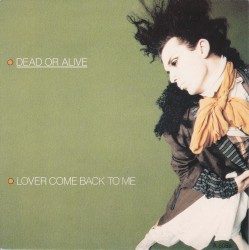
Lover Come Back to Me
1985

You Spin Me Round (Like a Record)
1984
I'd Do Anything
1984
What I Want
1983

Misty Circles
1983
No releases match the current filters.
Similar Artists
 Following
Cocteau Twins
Shared genres: gothic rock, post-punk
 Following
Piknik
Shared genres: gothic rock, rock music
Sopor Aeternus & the Ensemble of Shadows
Shared genres: gothic rock
 Following
Swans
Shared genres: gothic rock, post-punk, rock music
 Following
Neil Young
Shared genres: rock music
 Following
Björk
Shared genres: rock music
 Following
David Bowie
Shared genres: rock music
 Following
Green Day
Shared genres: rock music
 Following
Alanis Morissette
Shared genres: rock music
 Following
Bryan Adams
Shared genres: rock music
 Following
Frank Zappa
Shared genres: rock music
 Following
Yoko Ono
Shared genres: rock music