Paco de Lucía
"Layered melodies intertwine with percussive strumming, creating a rhythmic tension that propels each piece forward while allowing for moments of delicate release."
Quick Start
A good place to start with Paco de Lucía is…
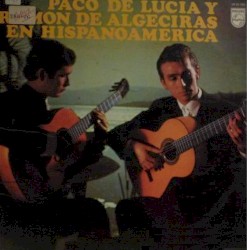
En Hispanoamérica
1969
Career Arc
Paco de Lucía's discography from 1964 to 2022
Full discography
Paco de Lucía's albums in order, from earliest releases to latest.
Albums ()
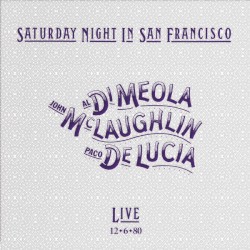
Saturday Night in San Francisco
2022

Cositas Buenas
2004

Integral
2003
Por Descubrir
2003

Luzia
1998

The Guitar Trio
1996
Antología
1996

Concierto de Aranjuez
1991

Zyryab
1990

Siroco
1987

Castro Marín
1981
Sólo quiero caminar (album)
1981

Interpreta a Manuel de Falla
1978

Almoraima
1978

Castillo de Arena
1977
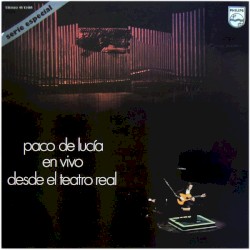
En vivo desde el Teatro Real
1975
Entre dos aguas
1975

Fuente y caudal
1973

El duende flamenco de Paco de Lucía
1972

El mundo del flamenco
1971

Son tus ojos dos estrellas
1971

Recital de guitarra
1971

Cada vez que nos miramos
1970

Sólo quiero caminar
Canción Andaluza
En Hispanoamérica
1969

12 Hits para 2 guitarras flamencas y orquesta de cuerda
1969

Fantasía flamenca de Paco de Lucía
1969

Al verte las flores lloran
1969

Dos guitarras flamencas en América Latina
1967

Canciones andaluzas para 2 guitarras
1967
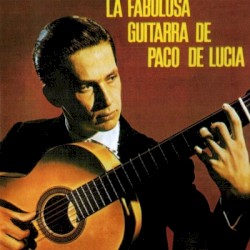
La fabulosa guitarra de Paco de Lucía
1967

12 éxitos para 2 guitarras flamencas
1965

12 canciones de García Lorca para guitarra
1965

Dos guitarras flamencas en stereo
1964
No releases match the current filters.
Timeline
How their sound evolved over time
Frequently Asked Questions
What does Paco de Lucía sound like?
Layered melodies intertwine with percussive strumming, creating a rhythmic tension that propels each piece forward while allowing for moments of delicate release. Rooted in classical and jazz fusion. Start with Almoraima.
What is the best Paco de Lucía album to start with?
The best album to start with is "Almoraima" (1978). It's the most representative of what makes Paco de Lucía worth hearing.
Who is Paco de Lucía for?
If you're into classical and jazz fusion, Paco de Lucía is worth your time. Layered melodies intertwine with percussive strumming, creating a rhythmic tension that propels each piece forward while allowing for moments of delicate release.
How many albums does Paco de Lucía have?
Paco de Lucía has 35 releases in their discography, including 35 albums.
Sync your library
Everything you track here works immediately — no account needed. Create one when you want to sync across devices.