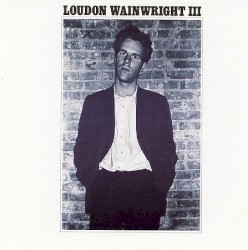
About this album
Where they were
This self-titled album marks Loudon Wainwright III's debut, releasing in 1970 when he was just beginning to carve out his niche in the folk music scene. It followed a series of performances at clubs and festivals that established him as a unique voice among his contemporaries, setting the stage for his subsequent career.
Why it matters
The album helped define Wainwright's style, blending humor with introspection in a way that resonated with listeners. It received positive critical reception, allowing him to earn a significant following and paving the way for his later works, influencing other singer-songwriters in the folk genre.
Essential tracks
- "School Days" — This track opens the album with a nostalgic yet critical look at education and childhood, showcasing Wainwright's signature wit and melody.
- "Glad to See You've Got Religion" — With its satirical lyrics about faith and societal norms, this song exemplifies Wainwright's knack for combining humor with poignant social commentary.
- "Four Is a Magic Number" — This playful exploration of numbers reflects Wainwright's clever songwriting, making it a standout moment on the album that showcases his unique perspective.
Release Date
January 1, 1970
Artist Origin
United States
Tracklist
- 1 School Days 3:06
- 2 Hospital Lady 4:05
- 3 Ode to a Pittsburgh 3:15
- 4 Glad to See You've Got Religion 3:56
- 5 Uptown 2:45
- 6 Black Uncle Remus 2:39
- 7 Four Is a Magic Number 3:28
- 8 I Don't Care 4:09
- 9 Central Square Song 5:28
- 10 Movies Are a Mother to Me 2:39
- 11 Bruno's Place 3:31