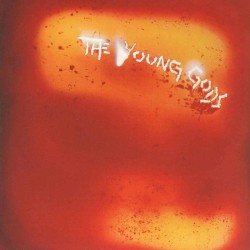
About this album
Where they were
Released on September 1, 1989, 'L'Eau rouge' was The Young Gods' third studio album, following their influential self-titled debut in 1987 and the subsequent 'Get Out' in 1989. At this time, the band was solidifying their place within the industrial music scene while pushing boundaries through their innovative use of sampling and live instrumentation.
Why it matters
'L'Eau rouge' is significant for its experimental approach that helped to define the Swiss industrial sound, influencing a wave of alternative and electronic acts in Europe. The album garnered critical acclaim, often highlighted in reviews from major publications like Rolling Stone, establishing The Young Gods as pioneers in blending rock with avant-garde electronic elements.
Essential tracks
- "La fille de la mort" — Opening the album with a powerful blend of pulsating rhythms and darkly poetic lyrics, this track encapsulates The Young Gods' signature style of merging intensity with melody.
- "L’Eau rouge" — The title track features an infectious chorus interwoven with experimental sounds, showcasing the band's ability to create both accessible and avant-garde music.
- "Crier les chiens" — This track stands out due to its relentless energy and intricate layering of samples that reflect the band's innovative approach to production.
Release Date
September 1, 1989
Artist Origin
Switzerland
Tracklist
- 1 La fille de la mort 7:58
- 2 Rue des tempêtes 2:51
- 3 L’Eau rouge 4:20
- 4 Charlotte 2:02
- 5 Longue route 3:41
- 6 Crier les chiens 3:15
- 7 Ville nôtre 4:07
- 8 Les enfants 5:32
- 9 L’Amourir 4:17
- 10 Pas mal 2:44