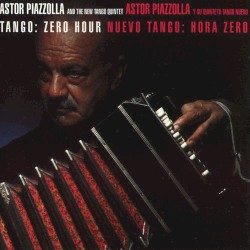
About this album
Where they were
By the time 'Tango: Zero Hour' was released in 1986, Astor Piazzolla had already established himself as a revolutionary figure in tango music. This album followed his previous works that had begun to blend jazz and classical influences into traditional tango, marking a period where he fully embraced his nuevo tango style.
Why it matters
'Tango: Zero Hour' is significant for its innovative approach to tango, gaining international acclaim and influencing countless artists. The album's unique sound helped solidify Piazzolla's reputation, contributing to the revival and global appreciation of tango music during the late 20th century.
Essential tracks
- "Milonga del ángel" — This track exemplifies Piazzolla's ability to convey deep emotion through its haunting melodies and intricate harmonies, making it a cornerstone of his repertoire.
- "Concierto para quinteto" — A masterful blend of orchestration and improvisation, this piece showcases the virtuosity of the musicians while highlighting Piazzolla's compositional skills.
- "Michelangelo ’70" — This piece captures a lyrical beauty that reflects Piazzolla's romantic side, merging classical influences with his distinct tango style.
Release Date
January 1, 1986
Artist Origin
Argentina
Tracklist
- 1 Tanguedia Ⅲ 4:39
- 2 Milonga del ángel 6:31
- 3 Concierto para quinteto 9:07
- 4 Milonga loca 3:09
- 5 Michelangelo ’70 2:52
- 6 Contrabajíssimo 10:20
- 7 Mumuki 9:34