
Listen
About
Discography
Albums ()

The Island of Real
1972
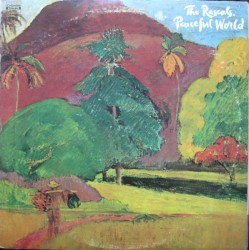
Peaceful World
1971
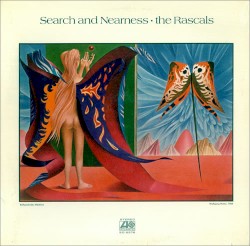
Search and Nearness
1971
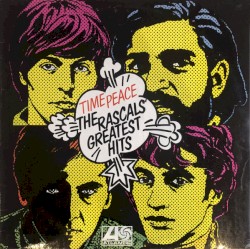
Time Peace: The Rascals' Greatest Hits
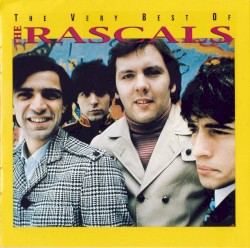
The Very Best of The Rascals
See
1969
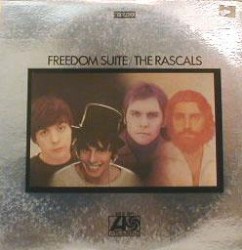
Freedom Suite
1969
Once Upon a Dream
1968

Groovin'
1967

Collections
1967
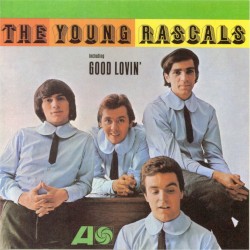
The Young Rascals
1966
Singles ()
A Beautiful Morning
1968
People Got to Be Free
1968
A Ray of Hope / Any Dance'll Do
1968
How Can I Be Sure / I'm So Happy Now
1967
Groovin'
1967
I've Been Lonely Too Long
1967
You Better Run
1966
Mustang Sally
1966
I Ain't Gonna Eat Out My Heart Anymore / Slow Down
1965
Good Lovin'
1965
No releases match the current filters.
Similar Artists
 Following
Tom Goss
Shared genres: blue-eyed soul
 Following
Sade Adu
Similar popularity
 Following
Bobby Caldwell
Shared genres: blue-eyed soul
 Following
Charlie Rich
Shared genres: blue-eyed soul
 Following
Michael Henderson
Similar era
 Following
The Dip
Similar popularity
 Following
Billy Preston
Similar era
 Following
giorge mijael
Shared genres: blue-eyed soul
 Following
Seals and Crofts
Related artist
 Following
The Pointer Sisters
Similar era
 Following
A-Studio
Related artist
 Following
Bee Gees
Shared genres: blue-eyed soul


