Listen
About
Discography





Albums ()
The Early EPs
2019
Uncle Dysfunktional
2007
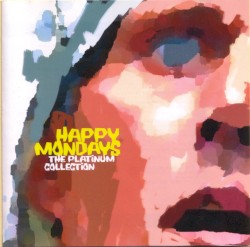
The Platinum Collection
2005
Step On – Live in Barcelona
2005
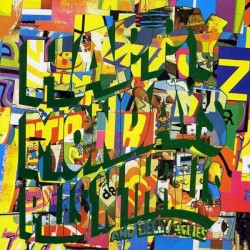
Happy Mondays - Greatest Hits
1999
Loads
1995
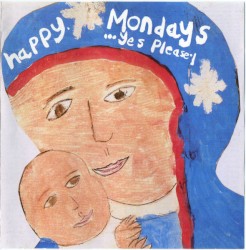
Yes Please!
1992
Pills 'n' Thrills and Bellyaches
1990
Hallelujah
1989
Bummed
1988
Squirrel and G-Man Twenty Four Hour Party People Plastic Face Carnt Smile (White Out)
1987
Live

Double Easy – The U.S. Singles
EPs ()
Singles ()

No releases match the current filters.
Similar Artists
 Following
LMFAO
Shared genres: hip house
 Following
Pitbull
Shared genres: hip house
 Following
Flo Rida
Shared genres: hip house
 Following
will.i.am
Shared genres: hip house
 Following
Kevin Rudolf
Shared genres: alternative rock
 Following
N.E.R.D.
Shared genres: alternative rock
 Following
Gorillaz
Shared genres: alternative rock
 Following
The Roots
Shared genres: alternative rock
 Following
Mariah Carey
Related artist
 Following
U2
Shared genres: alternative rock
 Following
Björk
Shared genres: alternative rock
 Following
Beck
Shared genres: alternative rock